Building Travel Policies That Balance Compliance and Flexibility
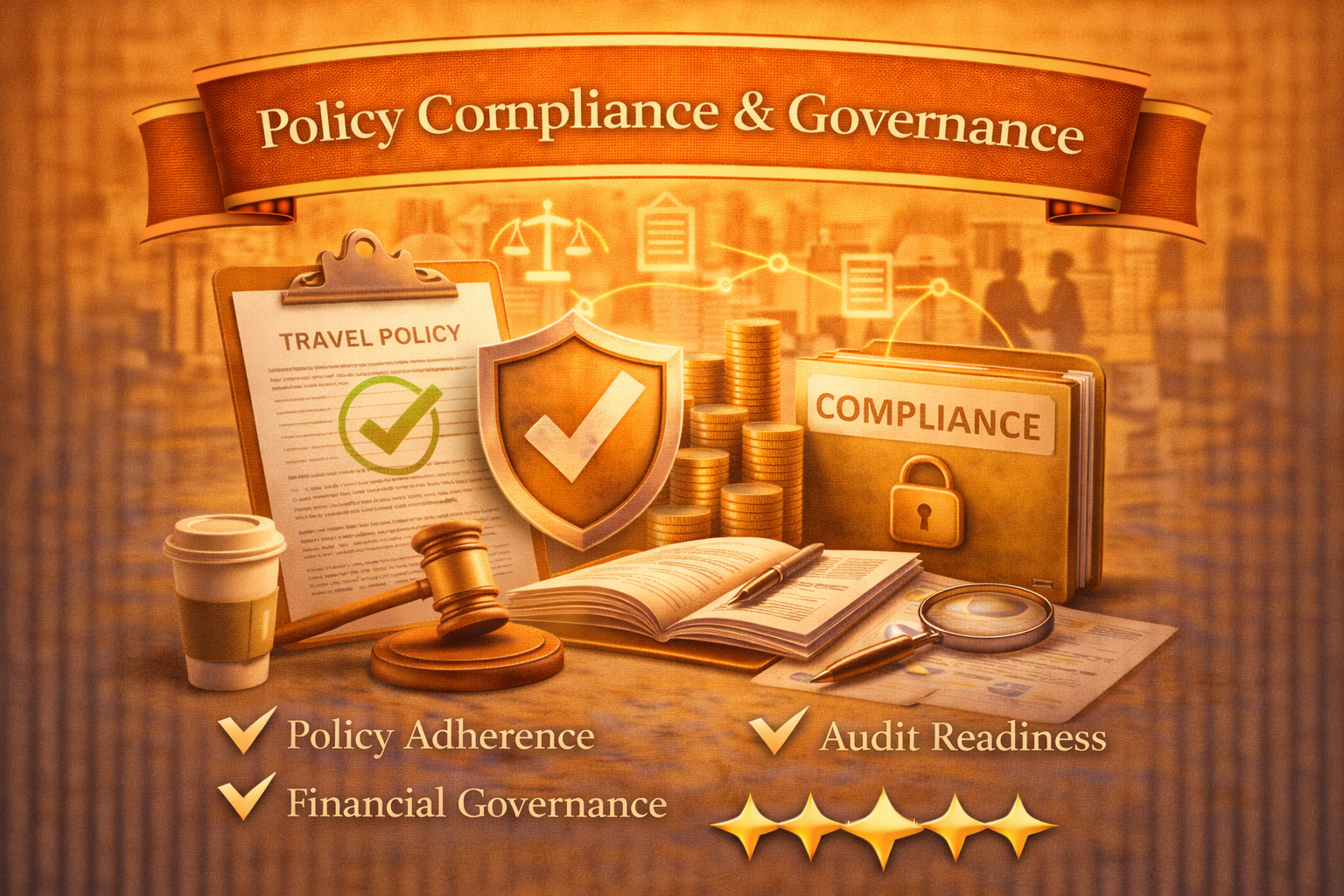
Building Travel Policies That Balance Compliance and Flexibility
Introduction
Travel policies are often perceived as restrictive. In reality, well-designed travel policies protect organizations while still allowing flexibility for travelers. The key lies in thoughtful design and consistent enforcement.
Common Policy Challenges
Organizations frequently struggle with:
- Policies that are unclear or outdated
- Inconsistent enforcement across teams
- Manual approval processes that slow bookings
- Limited visibility into policy adherence
These challenges can undermine both compliance and traveler satisfaction.
Principles of Effective Travel Policies
Strong travel policies share several characteristics:
- Clarity: Easy-to-understand guidelines for travelers
- Alignment: Policies that reflect organizational priorities
- Consistency: Uniform application across departments
- Automation: Built-in controls within booking workflows
When policies are integrated into the booking process, compliance becomes the default—not an obstacle.
Enforcing Policies Without Friction
Technology-enabled travel management platforms allow organizations to:
- Guide travelers toward compliant options
- Apply approval workflows only when necessary
- Track exceptions without manual oversight
This approach reduces friction while maintaining accountability.
Closing Thought
Effective travel policies are not about restriction—they are about alignment. When compliance and flexibility work together, organizations achieve better outcomes for travelers, finance teams, and leadership alike.